Overview
This visual tutorial explains how an LSTM carries information through time and uses learned gates to write, retain, and expose it. It is an architectural explanation, not a new benchmark study.
Recurrent Neural Networks
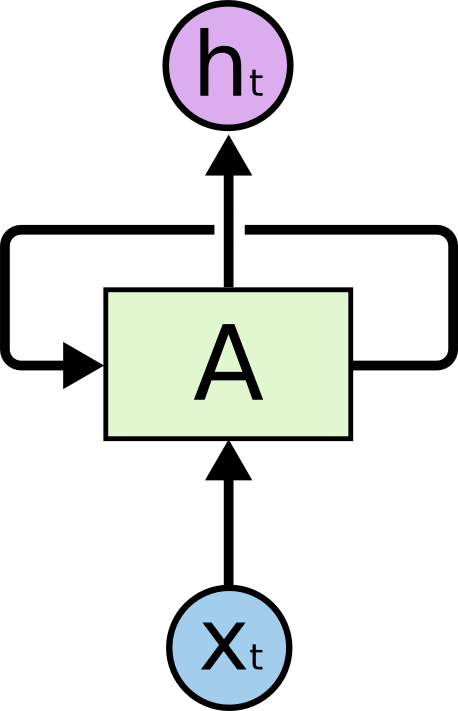
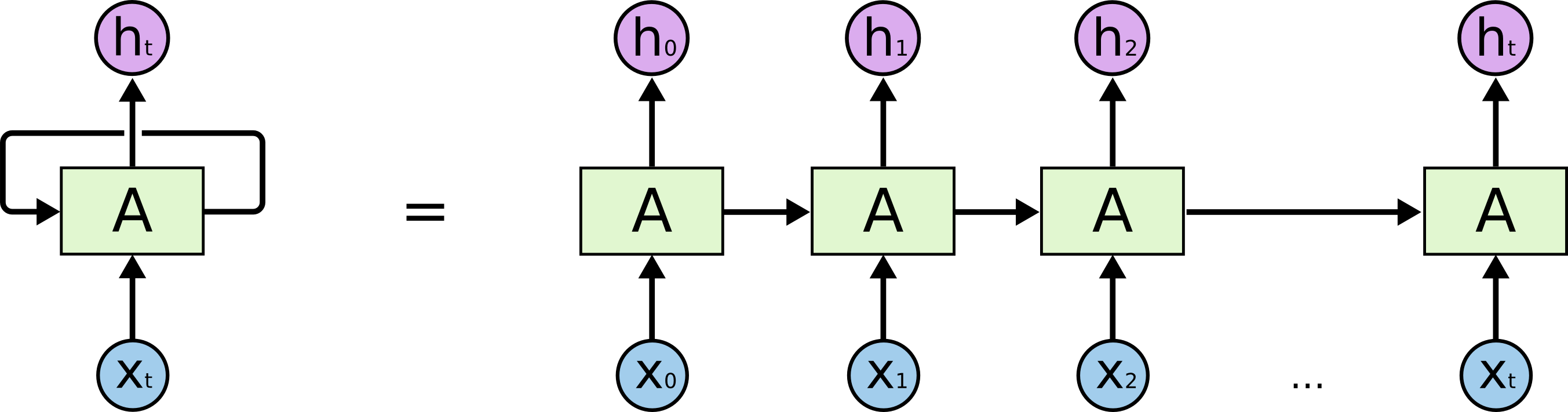
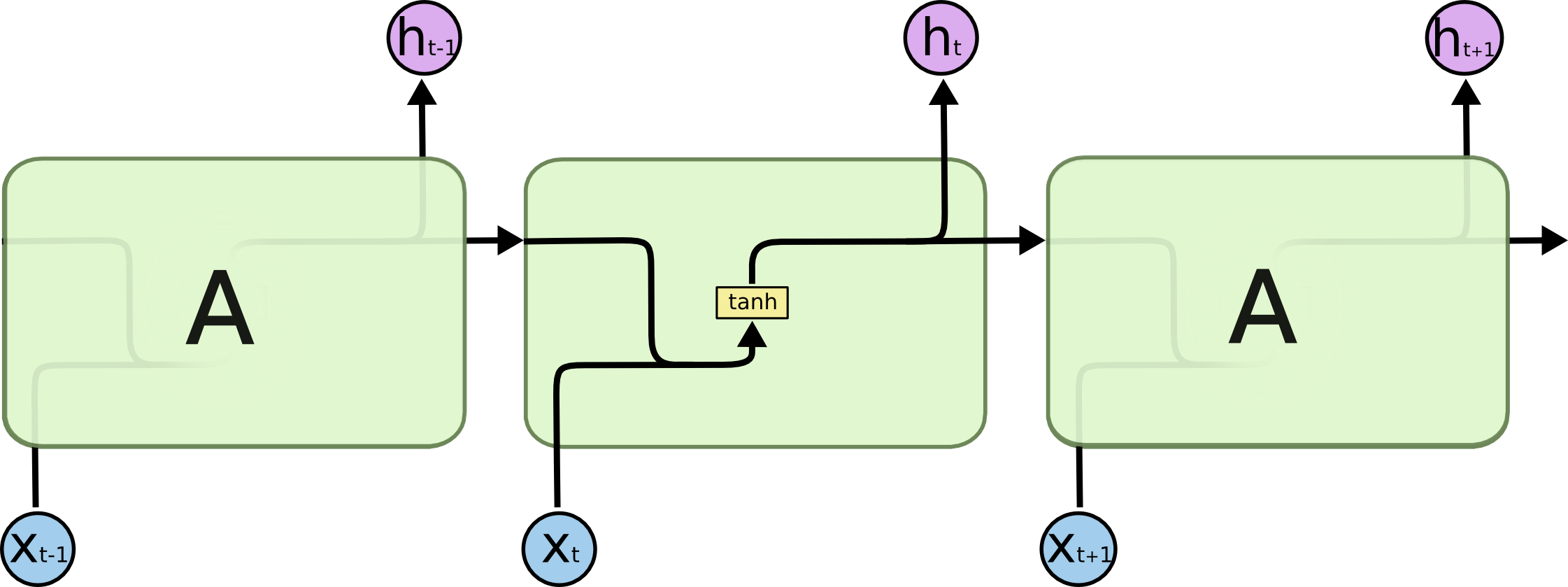
Unrolling a recurrent network shows repeated copies of one module passing a state along a sequence. Each prediction can therefore depend on earlier inputs rather than only the current observation. [1]
The Problem of Long-Term Dependencies
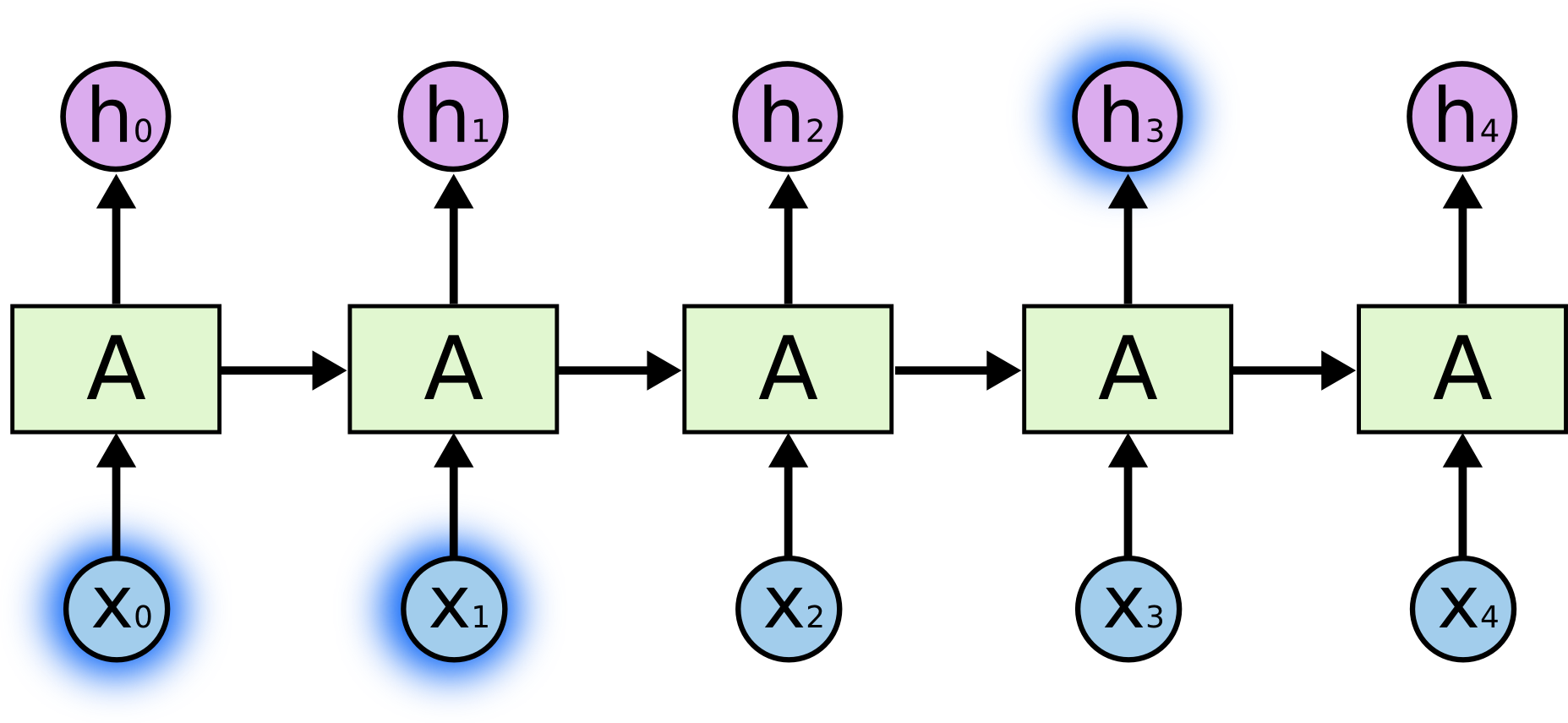
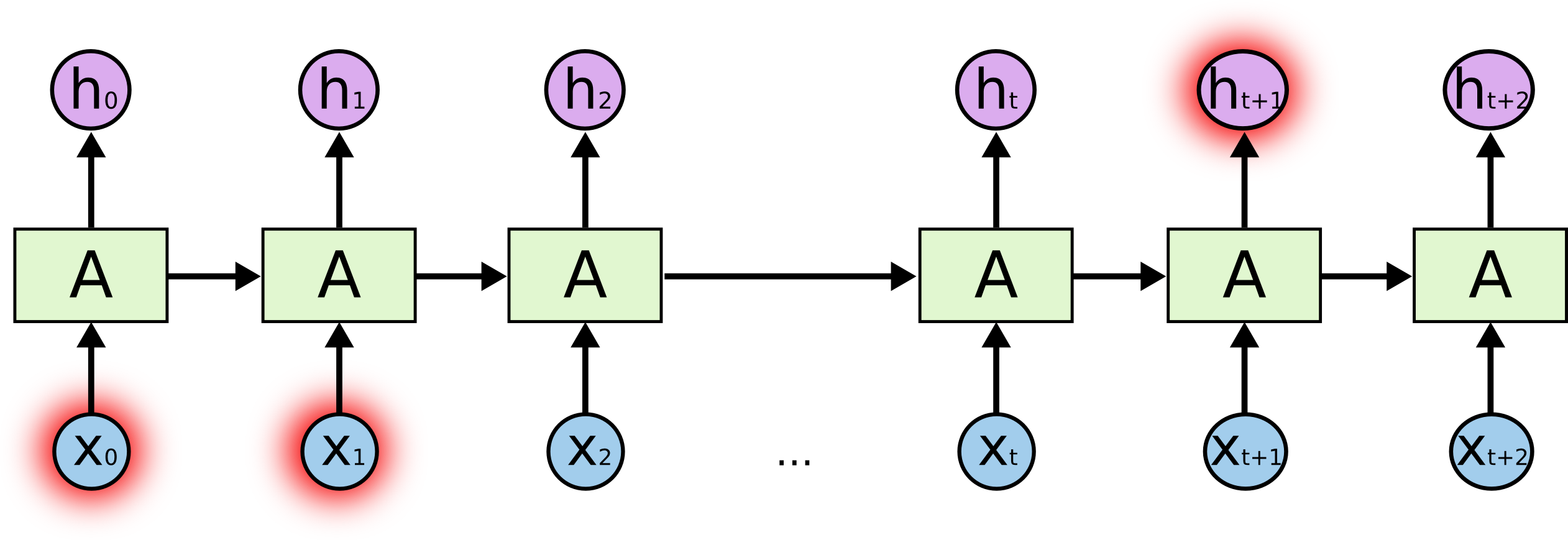
Ordinary recurrent updates can learn short contextual dependencies, but learning signals become difficult to propagate over long gaps. LSTMs provide a state path that makes retaining information easier; this is a design advantage, not a guarantee of unlimited memory. [2] [3]
LSTM Networks
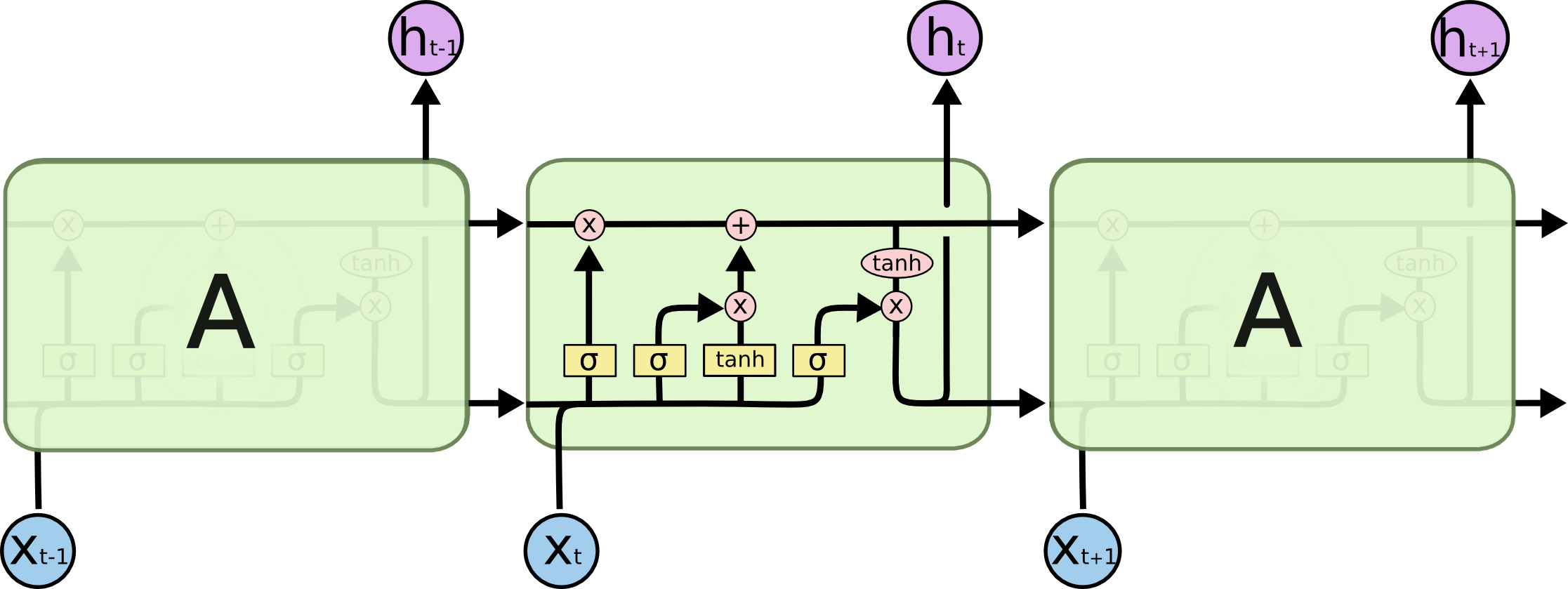
The repeating LSTM module contains interacting layers rather than one tanh transformation. In the diagrams, arrows carry vectors, merging arrows concatenate them, and circular operators act element by element. [4]

The Core Idea Behind LSTMs
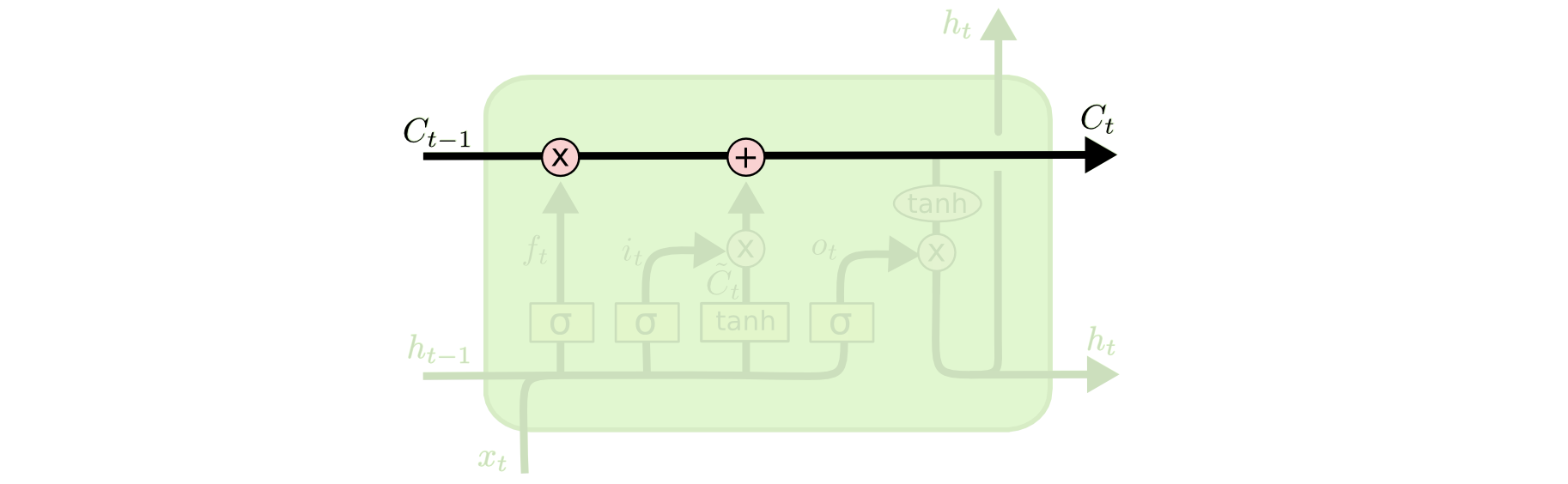
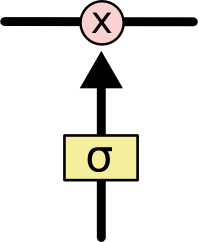
A cell state carries memory across time. Sigmoid gates produce values between zero and one and regulate how much information is removed, added, or exposed. When gates permit it, the state can pass through many steps with limited modification.
Step-by-Step LSTM Walk Through
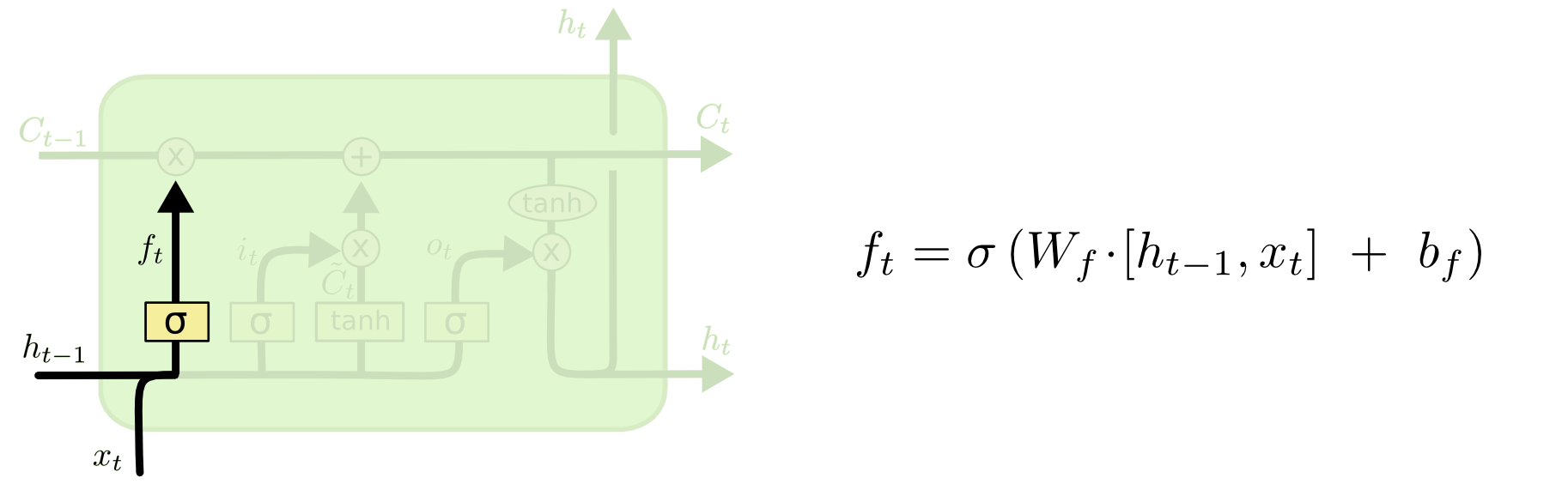
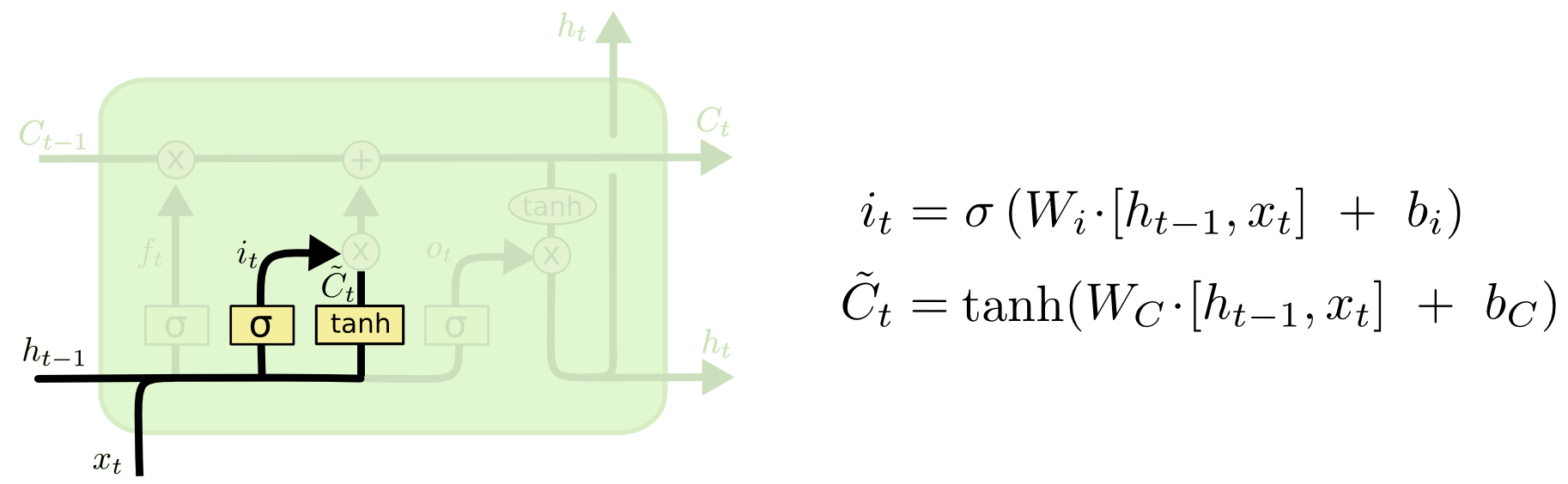
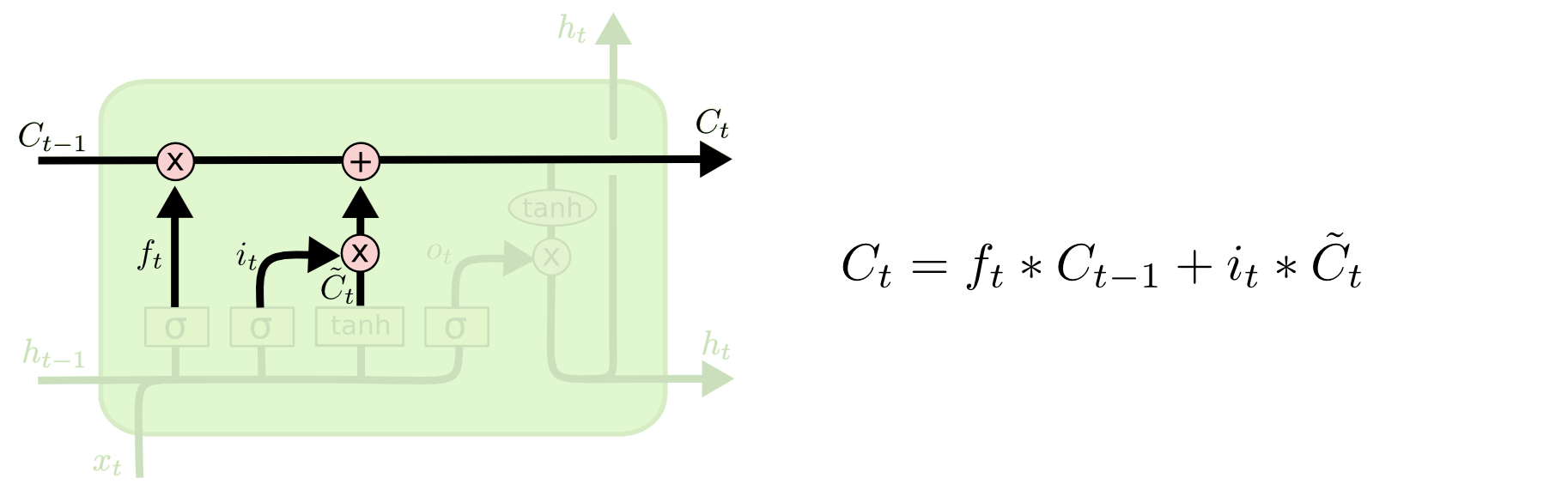
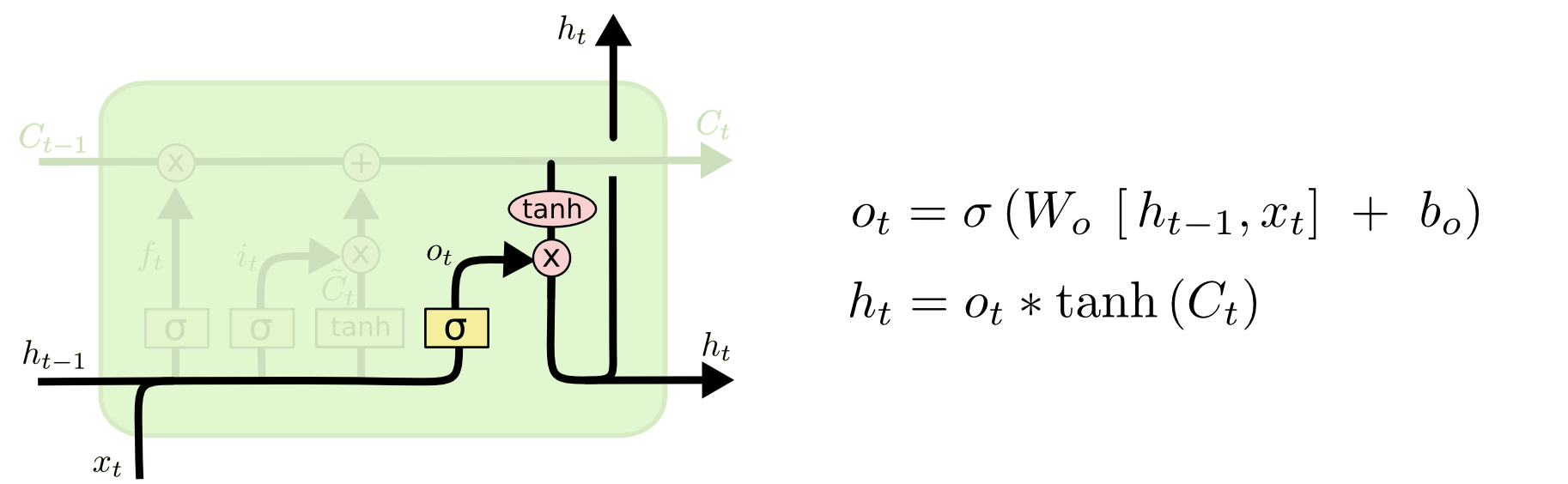
The forget gate scales the previous cell state. The input gate scales a candidate update, and their combination forms the new state. The output gate then selects which components of the transformed state become the hidden output. Each decision depends on the current input and previous hidden state; the original diagrams preserve the complete update equations.
Variants on Long Short Term Memory
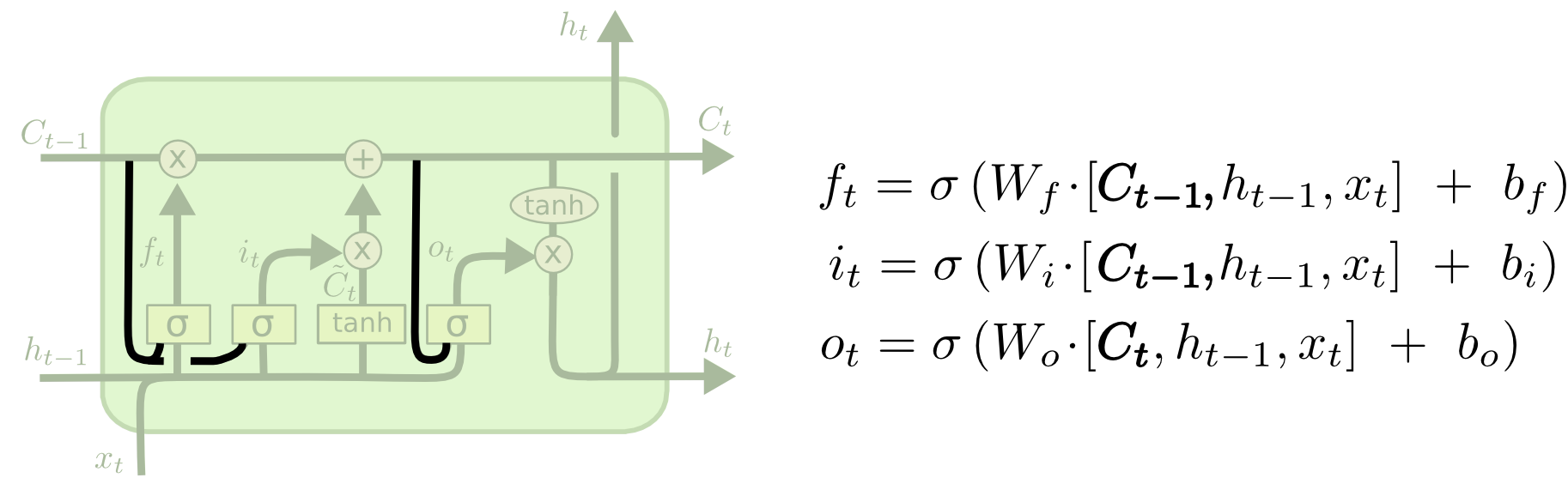
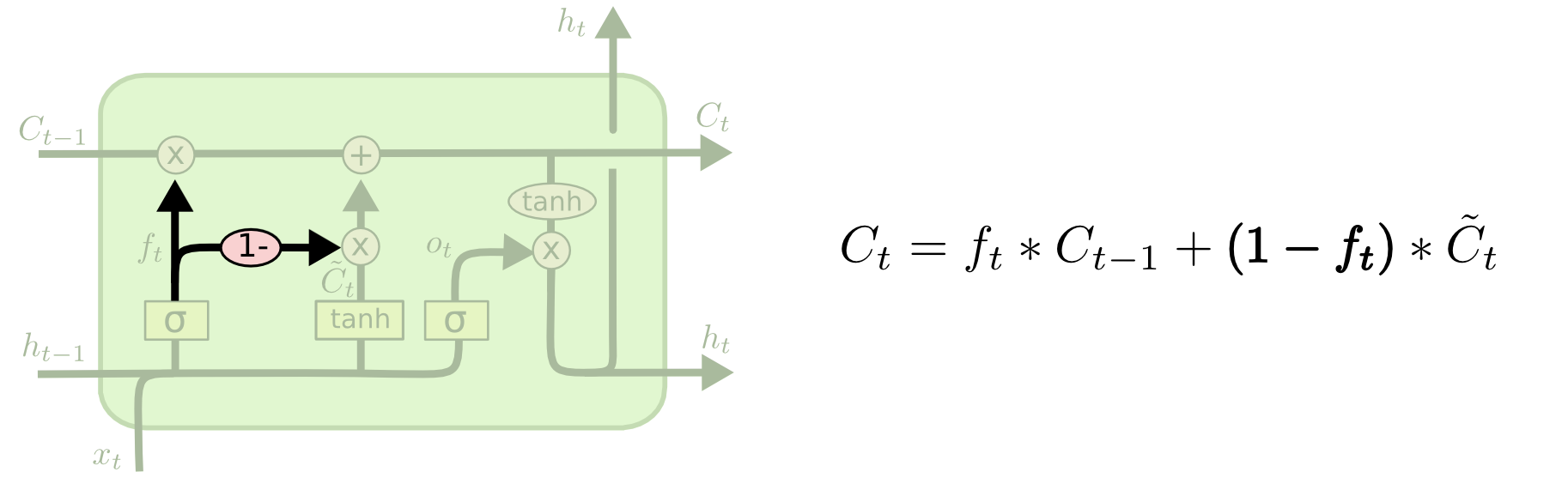
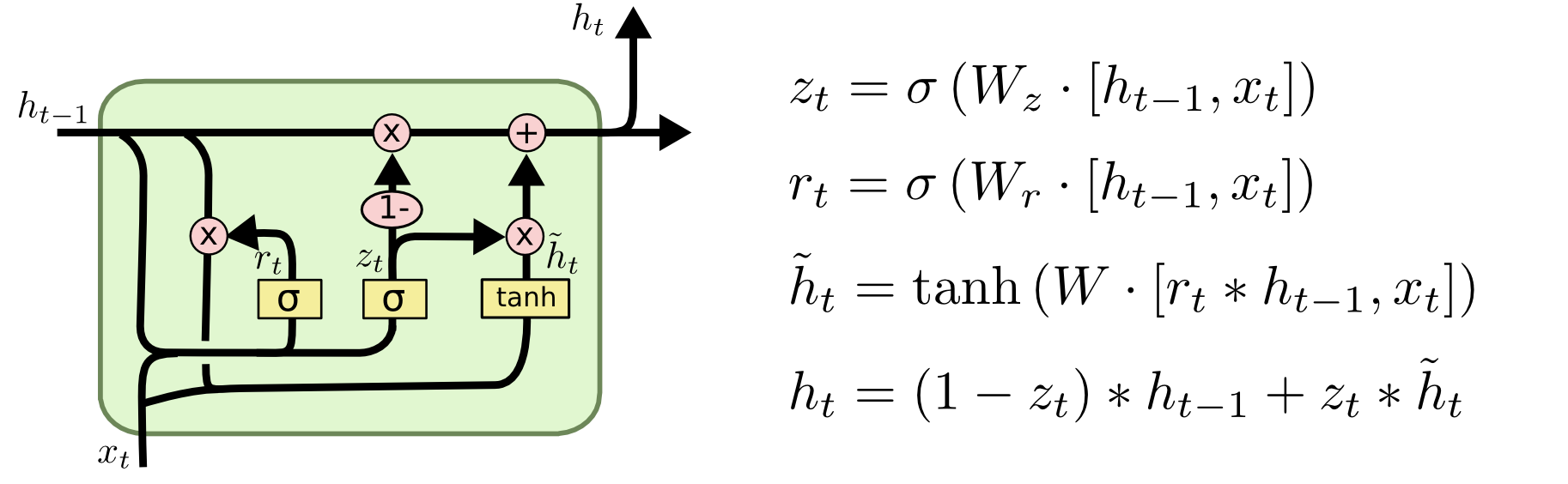
Peephole connections expose the cell state to gates. Coupled gates tie forgetting to writing; a GRU combines these decisions and merges cell and hidden state. The cited comparisons show that performance depends on the task and architectural details, rather than establishing one universal winner. [5] [6] [7] [8] [9]
Conclusion
Attention lets a recurrent model consult a larger collection of representations at each step. The tutorial closes by connecting gated memory to attention, grid architectures, and recurrent generative models, reflecting the research landscape in 2015. [10] [11] [12] [13] [14]
Acknowledgments
The acknowledgments credit feedback on the explanation and diagrams, along with earlier contributions to modern LSTM architectures.