At a glance
This review organizes digital biomarkers along three dimensions: the health aspect measured, the sensing technology, and the intended clinical or research use. It covers cognitive, motor, behavioural, physiological and environmental signals obtained through wearables, phones, internal devices and ambient sensors.
The framework helps compare candidate measurements and identify validation gaps. It is a narrative synthesis rather than a pooled accuracy analysis or proof that the listed devices improve patient outcomes. This edition retains every main and supplementary figure/table, all three original boxes, both complete search strings and both bibliographies.
Introduction
Digital measurements can fill gaps between clinic visits, capturing fluctuations in movement, sleep and daily routines. They may complement blood, imaging and clinical assessments, especially when repeated observation is useful [1] [4].
A sensor reading is not automatically a clinically meaningful biomarker. Its interpretation depends on the construct, population, setting, measurement process and intended decision. The three-axis framework separates these questions rather than treating device availability as evidence of utility.

a, Examples of symptoms and the sensing tools used to monitor them. Phone and mobile apps102, wearable wristwatch127, electronic ‘smart’ patch99, virtual reality headset155, laptop with microphone36, RGB-depth camera113, wearable electroencephalogram (EEG) headset95, smart ingestible pill107, and body temperature sensor76. b, Digital health measures collected from digital health technologies and analysed using algorithms. c, Examples of digital biomarkers and commonly linked health outcomes. d, Digital biomarker characteristics and applications.
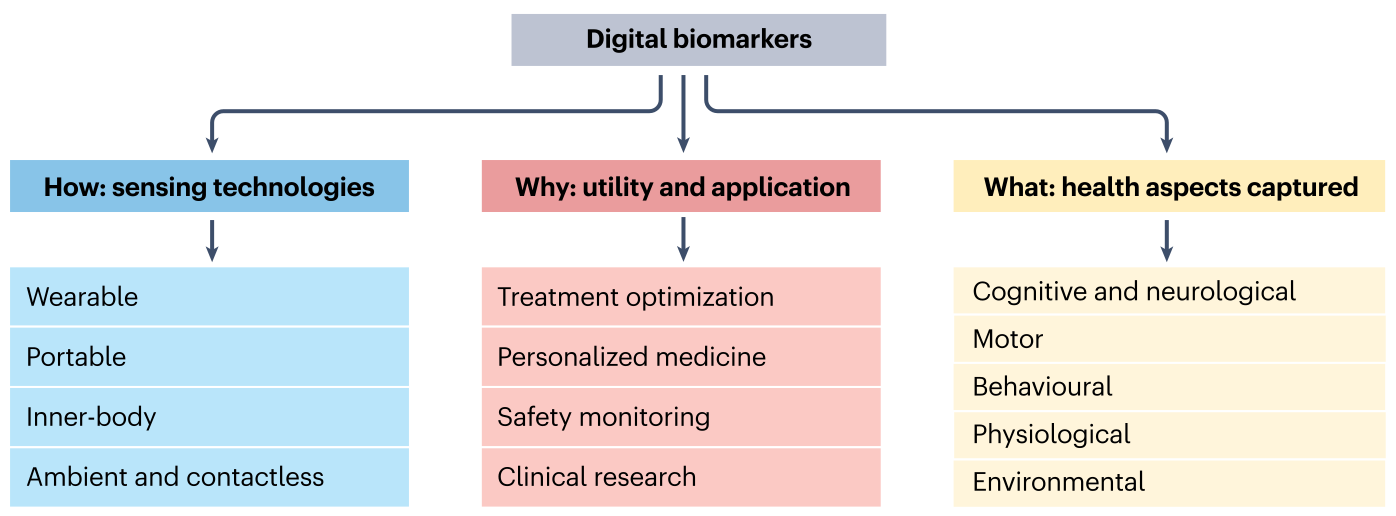
The framework is organized across three fundamental dimensions: ‘How’ (sensing technologies) covers the technological modalities used for data acquisition, including wearable devices, portable sensors, inner-body sensors, and ambient/contactless systems; ‘why’ (utility and application) defines the clinical and research purposes, spanning treatment optimization, personalized medicine approaches, safety monitoring, and clinical research applications; and ‘what’ (health aspects captured) outlines the measurable domains such as cognitive/neurological, motor, behavioural, physiological and environmental biomarkers.
Rethinking biomarkers for digital health
The review distinguishes digital measures from biomarkers and clinical outcome assessments. Direct physiological measurements and indirect proxies for latent functions can both be useful, but they make different claims [7] [14].
A walking measure, for example, might indicate underlying pathology or directly assess function. Intended use and validation determine the interpretation; digital collection alone does not settle the boundary [15]. Passive collection reduces deliberate interaction, while active tasks require it.
Traditional biomarker classification
The FDA–NIH BEST terminology distinguishes diagnostic, prognostic, monitoring, predictive, response/pharmacodynamic, safety and susceptibility/risk biomarkers [16]. These categories concern different questions: detecting disease, forecasting its course, tracking change, or anticipating a treatment-specific response.
Table 1 maps examples onto those categories. The mappings illustrate the authors’ framework; they do not independently establish regulatory qualification, treatment-response prediction or clinical validity for each example.

Traditional methods are characterized by invasive, costly and episodic measurements with variable outcomes, whereas digital approaches offer non-invasive, continuous, real-time data collection enhanced by artificial intelligence-driven analytics for better clinical use. EMG, electromyography; IMU, inertial measurement unit; PPG, photoplethysmography; UPDRS, Unified Parkinson’s Disease Rating Scale.
Table 1 |. Examples of digital biomarkers
The complete original table retains every category, example, sensor and measure. Several source citation links need checking: its speech example points to reference 35, whose bibliography entry concerns eye-movement response time; the matching voice-quality paper is reference 36.
Other classifications also need context. Detecting a current medication state is different from predicting a differential response to a future treatment. Use this table as a structured inventory, then assess the primary validation study for the intended use.
Examples of digital biomarkers
| Biomarker category | Utility in NDDs | DBM examples | ||
|---|---|---|---|---|
| Study objective | Sensor | DBM measure | ||
| Diagnostic (presence of a disease) |
Differentiate NDD A (such as AD) among a group of NDDs with similar symptoms (such as cognitive impairment often observed in AD, FTD and VD) | Differentiate MCI from healthy controls using recorded voice quality and speech fluency in a semantic memory test35 | Portable recorder Speech data during a semantic memory test Researcher |
Acoustic aspects of voice quality, namely cepstral peak prominence, centre of gravity and shimmer Speech fluency, namely articulation rate and average speaking time |
| Prognostic (likelihood of a clinical event, disease recurrence or progression) |
Predict the future course of a NDD (for example, the onset of motor symptoms in PD) | Measure individual, longitudinal change in cognition in people with MCI or AD and healthy controls using ‘digital neurosignature’ from smartphone33 | Altoida DNS (smartphone/tablet-based active digital assessment) 320+ cognitive and functional activity measures Participant |
DNS metrics of intraindividual variability and dispersion (Longitudinal digital cognitive change) |
| Monitoring (track disease or therapeutic response over time) |
Track NDD progression (such as symptom changes in HD) or NDD treatment response (such as medication impact in PD) | Monitor limb movement to measure gait impairment in people with PD using a wearable accelerometer42 | Accelerometer Limb movement while walking Researcher, clinician and participant |
Triaxial gait variables (such as stride Length, cadence, regularity index, symmetry index, and mechanical powers) Walking speed |
| Predictive (more likely to experience a favourable or unfavourable effect from treatment) |
Predict response to specific NDD treatments (such as the efficacy of a drug in managing AD cognition or tremor responsiveness to motor neurorehabilitation therapy in PD) | Localize neural spectral power changes from high-density scalp EEG recording of people with PD, while modulating STN activity with DBS110 | Closed-Loop implantable with sensing channels, neural stimulator, triaxial accelerometer and embedded algorithm Neural spectral power and synchrony Participant, clinician, researcher |
Resting state corresponded to relatively constant beta band power AD state corresponded to increased beta band power Suppression state corresponded to decreased beta band power Movement patterns Muscle response Neural data Stimulus trains Classifier detections |
| Response/pharmacodynamics (biological response to a therapeutic intervention) |
Detect NDD response to an intervention (such as neuroprotective effects in HD treatment) | Detect changes in PD tremor and bradykinesia in response to Levodopa medication using a wrist-worn accelerometer81 | Wrist-worn accelerometer Resting tremor and bradykinesia Researcher and participant |
Amplitude of hand movements (amplitude and slowness) Smoothness of hand movements (hesitancy) Percentage of time spent with no hand movement (poverty or absence) Average Length of bouts with no hand movement (poverty or absence) |
| Safety (likelihood or presence of intervention toxicity) |
Assess potential adverse effects and risks associated with NDD treatments (such as risk/observation of muscle weakness in ALS treatments) | Identify bradykinesia fluctuations as a manifestation of a ‘wearing-off’ medication state in PD using a KinetiGraph82 | PD KinetiGraph Bradykinesia and dyskinesia Participant, clinician, researcher |
BKS Continuous BKS Median BKS Active BKS Median dyskinesia score Percentage time in tremor Percentage time in bradykinesia Percentage time in dyskinesia Dosage |
| Susceptibility/risk (potential for disease without intervention) |
Identify specific hallmarks linked to a higher likelihood of developing NDD (such as repeated head injuries linked to CTE) | Detect postural and gait instability patterns associated with increased risk of PD and movement-related NDDs using wearable inertial sensors41 | Chest and Leg-mounted IMUs Fall frequency, near-fall frequency, daily activities Participant |
Frequency of Lying down Number of ambulatory bouts Frequency of sitting Walking frequency Peak acceleration of the chest IMU Distribution of ambulatory bouts in time |
Based on US Food and Drug Administration (FDA)–National Institutes of Health (NIH) Biomarkers, EndpointS and other Tools (BEST). It applies the FDA–NIH BEST classification system to digital biomarkers in neurodegenerative diseases (NDDs) and summarizes how these new measurements align with traditional biomarkers based on their intended clinical utility. Each row is a distinct biomarker category, and the columns provide further context with digital biomarker (DBM) examples specific to various NDDs, as well as technological implementation details such as the sensors used for data collection, the type of information collected and the users interacting with the sensors. AD, Alzheimer disease; ALS, amyotrophic lateral sclerosis; BKS, Bradykinesia Score; CTE, chronic traumatic encephalopathy; DBS, deep brain stimulation; DNS, digital neurosignature; EEG, electroencephalogram; FTD, frontotemporal dementia; HD, Huntington disease; IMU, inertial measurement unit; MCI, mild cognitive impairment; PD, Parkinson disease; STN, subthalamic nucleus; VD, vascular dementia.
Box 1 |. Translational considerations.
The original translational discussion is retained in full below. Its durable distinction is between technical performance, clinical validity and an accepted endpoint. Device clearance, biomarker qualification and evidence of patient benefit address separate questions.
One historical correction: the FDA Pre-Cert pilot ended in September 2022, so its appearance here should not be read as an active approval pathway. See the FDA’s final program description. The box’s SV95C example also points to reference 154 although the dedicated regulatory-evidence paper is reference 156.
Several regulatory pathways now guide the development and approval of digital biomarkers. The US Food and Drug Administration (FDA) has established the Digital Health Innovation Action Plan and the Digital Health Software Precertification (Pre-Cert) programme, and supports the Clinical Trials Transformation Initiative for developing novel digital end points. The FDA–National Institutes of Health (NIH) Biomarkers, EndpointS and Other Tools (BEST) framework16 provides standardized terminology for classifying biomarker types across both traditional and digital domains. In Europe, the European Medicines Agency Qualification of Novel Methodologies for Medicine Development pathway offers a route for formal acceptance of digital measures in medicine development, whereas the National Institute for Health and Care Excellence (NICE) Evidence Standards Framework for Digital Health Technologies outlines tiered evidence requirements for digital health technologies in the UK. The Digital Medicine Society’s V3 framework (Verification, Analytical Validation, Clinical Validation) provides a structured methodology for determining whether a digital measure is fit for its intended purpose.
Nonetheless, proving clinical validity remains extremely challenging. Some digital biomarkers have achieved analytical validation for monitoring or diagnostic purposes; for example, Empatica’s Health Monitoring Platform holds FDA 510(k) clearance for six digital biomarkers, including electrodermal activity, SpO2, pulse rate and respiratory rate collected via a wrist-worn wearable. However, regulatory agencies are cautious when evaluating digital measures as primary efficacy end points, mirroring their scrutiny of traditional biomarkers that could be used to approve drugs that ultimately fail to deliver meaningful clinical benefits, as in the case of amyloid PET in Alzheimer disease receiving only “reasonably likely surrogate endpoint” status after two decades of research3. Thus, even if a new drug gains approval based on one or two pivotal trials, a biomarker must clear a substantially higher evidentiary bar, requiring years of independent replication across multiple centres, populations, settings, device types, software versions and real-world conditions.
A central tension in this process is the ecological validity paradox: clinical ‘gold-standard’ assessments are conducted under controlled conditions that differ fundamentally from the uncontrolled free-living environments in which digital biomarkers operate. One proposed solution is stepwise validation, progressing from clinical gold-standard comparisons to deployable ‘silver standard’ references such as mobile polysomnography for real-world sleep staging.
For example, Stride Velocity 95th Centile (SV95C) for Duchenne Muscular Dystrophy154 (an ankle-worn accelerometer-derived measure of stride velocity) was accepted by the European Medicines Agency (EMA) as a secondary and later primary end point in pivotal trials (NCT03039686, NCT05096221, NCT05524883). It took years of comprehensive clinical studies, including patient and caregiver surveys and healthcare professional perspectives, to validate that this digital measure correlated with gold-standard clinical assessments like the 6-minute walk distance test. Notably, despite SV95C demonstrating earlier sensitivity to disease progression, regulators classified it as a performance outcome assessment rather than a biomarker, probably because the act of walking itself constitutes the clinical outcome, rather than serving as a surrogate for an underlying biological process. This distinction highlights the nuanced regulatory boundaries that digital measures must navigate even after achieving clinical acceptance.
Categorization by health aspects captured
The health-aspect axis groups cognitive/neurological, motor, behavioural, physiological and environmental measures. Categories overlap: sleep, gait or voice can reflect several functions and contextual influences at once.
The cost categories describe marginal measurement costs after device ownership, rather than full acquisition, staffing and implementation costs. Invasiveness and frequency are descriptive judgments. Figure 3’s broad contrast should be qualified: many traditional assessments are non-invasive, and some digital systems require implantation.
Cognitive and neurological biomarkers
Cognitive and neurological candidates include electrophysiology, task response times and eye movements. Their relationship to a clinical construct needs validation beyond accurately recording a signal.
Brain activity patterns.
The review cites EEG studies with 100 and fifteen participants, and discusses portable fNIRS and emerging wearable magnetoencephalography [25] [26] [27]. These examples connect signal patterns with cognitive status or change.
Small studies and heterogeneous tasks do not establish a general screening threshold. A physiological association, a reliable measurement and an externally validated diagnostic model are distinct levels of evidence.
Cognitive response time.
Response time and accuracy in computerized tasks can quantify aspects of cognitive performance. The review describes a 38-person cognitive-assessment study and a fifteen-person Parkinson freezing-of-gait study [30] [31].
Task familiarity, motor ability and attention may also affect response time. Correlation with a biological marker does not by itself establish a diagnostic endpoint or prospective treatment benefit.
Eye tracking and movement.
Eye movements and digital cognitive-task signatures offer candidate measures of memory and neurological function. The review reports high discrimination for an Altoida cohort and a smaller camera-based response-time study, while the bibliography includes prospective memory-driven eye-movement work [32] [33] [35].
The Altoida result concerns a broader digital signature; the review’s wording alone should not be used to attribute its entire performance to eye tracking. Cohort, target and validation design differ across these examples.
Motor biomarkers
Motor measures describe movement and coordination, including speech production, gait, hand actions and facial movement. Parkinson disease receives particularly extensive coverage because several motor symptoms are measurable outside the clinic.
Speech, linguistic and vocal changes.
Acoustic, linguistic and timing features can reveal altered speech. The review describes a multicentre Parkinson study with 149 participants and sensitivity up to 72%, alongside studies of cognitive impairment and spontaneous language [36] [37] [39].
Recording conditions, language, task and cohort affect performance. These reported examples do not establish interchangeable accuracy across populations or distinguish disease-specific effects from all other causes of speech change.
Gait, balance and speed.
Wearable, camera and ambient systems estimate gait speed, stride characteristics and balance. The review includes small feasibility examples, such as nine participants in a smart-carpet study, as well as phone-camera stride measurements.
Measurement error against a reference walkway and accuracy at predicting disease or falls answer different questions. Several original citation numbers are displaced: the carpet and phone-camera bibliography entries are references 47 and 48. Preserve their cohort and task boundaries when comparing results.
Handwriting and finger tapping dynamics.
Writing, drawing, tapping and typing can expose fine-motor changes. Examples include a small diagnostic-pen study and a larger multimodal Parkinson dataset [49] [50] [51].
The review reports tapping-model and combined-model AUCs of 0.933 and 0.944 in the latter example. Those estimates characterize its dataset and evaluation; they do not establish a population screening test. Several paragraph citation numbers are shifted relative to the matching bibliography titles.
Facial expression and oculomotor movement.
Computer vision can quantify facial masking and oculomotor patterns. The review describes requested facial-gesture tasks, smartphone screening proposals and video eye tracking [52] [53] [57].
Prompted imitation and passive everyday observation have different requirements. Clinical meaning also depends on pose, lighting, demographic coverage and the reference assessment, rather than on motion-estimation accuracy alone.
Behavioural biomarkers
Behavioural candidates capture sleep, activity, routines and emotional or stress-related changes. These signals can provide context for symptoms, but many are influenced by environment, habits and other health conditions.
Sleep activity and quality.
Wearables, bed sensors and ambient devices can monitor time in bed, movement and some sleep features. The review highlights a seven-person Parkinson pilot and other home-monitoring systems [59].
Time in bed, sleep duration and sleep stages are different targets. Agreement for one does not validate all others, particularly across devices or patient groups.
Physical activity.
A cross-sectional study of 96 people with Parkinson disease associated greater activity with cognition and functional connectivity [62]. Other cited trials use activity measurements while testing interventions.
Cross-sectional association does not show that increasing a recorded activity measure causes cognitive improvement or that the measure is a validated prognostic endpoint.
Mood and emotion tracking.
Facial, voice and interaction patterns are proposed as indicators of mood or emotion, including in mobile Parkinson-management systems [63] [65]. Inferred emotion is a latent construct; apparent expression or behavioural change needs validation against an appropriate reference.
Stress levels.
The review lists skin conductance, heart-rate variability, voice and cortisol-related measures as stress candidates. A six-resident dementia study reportedly achieved up to 75.9% accuracy using personalized thresholds [67].
This small, individualized result does not establish a general stress detector. Physiological arousal and psychological stress are related but not interchangeable measurements.
Physiological biomarkers
Physiological sensing measures functions such as cardiovascular activity and respiration. A technically accurate signal still needs a justified link to the neurodegenerative condition or clinical decision of interest.
Heart rate and blood pressure.
Optical wearables and patches can capture heart rate and related autonomic patterns. The review describes associations with Parkinson non-motor symptoms and small cognitive-impairment classification studies [90] [92].
Agreement with electrocardiography validates a measurement property; disease classification additionally requires appropriate separation of participants, external testing and control of confounding factors.
Respiration rate.
Contact and radio-wave systems can estimate breathing and sleep-related patterns. Examples include impulse-radar monitoring and a 95-person study relating sleep movements and respiratory coupling to cognitive status [72] [74].
The review’s reported 87% sensitivity is study-specific. Sensitivity alone omits false-positive burden, calibration and the consequences of applying a model in a different population.
Environmental biomarkers
Environmental measures characterize exposure and context rather than directly measuring pathology. Their usefulness may lie in explaining variation in symptoms or identifying circumstances relevant to care.
Ambient light.
Light exposure, temperature, motion and body position can characterize circadian patterns. A cited pilot compares fifteen Parkinson participants with fifteen age-matched controls [76].
Monitoring an exposure, observing an association and demonstrating benefit from changing the exposure are different claims. The review’s examples include both observational sensing and separate intervention literature.
Location tracking.
GPS driving patterns and indoor routines are explored as indicators of cognitive function and independence [79] [80]. Mobility also depends on opportunity, support, transport and environment; changes should not automatically be attributed to neurodegeneration.
Categorization by sensing technologies
The sensing axis groups wearable, portable, inner-body and ambient/contactless systems. The framework connects each technology to its practical advantages, limitations and participant burden. Figure 4 retains the full illustrated environment.
Wearables, portables, inner-body, ambient and contactless. IMU, inertial measurement unit; LiDAR, light detection and ranging.
Table 2 |. Digital health sensing technologies for neurodegenerative disease monitoring
The full original technology comparison is preserved, including maturity and user-friction columns. Its technology-readiness levels and mappings to clinical trial phases are the authors’ descriptive scheme, not proof of regulatory acceptance for every device in a category.
Several groupings combine different modalities. For example, fNIRS is a measurement of tissue haemodynamics and often requires head-worn hardware; its presence beside passive infrared room sensors does not make the two interchangeable.
Digital health sensing technologies for neurodegenerative disease monitoring
| Sensing technology | Advantages | Disadvantages | Maturity | User friction |
|---|---|---|---|---|
| (W) Body-worn inertial measurement units41,42,81–84 | Continuous motion tracking Small and lightweight Proven validity for varied biomechanics |
Sensor drift Require alignment and calibration Placement influences accuracy Susceptible to noise Limited context |
TRL 8–9: Mature | Daily charging Consistent placement needed Compliance Independent donning/doffing Aesthetics |
| (W) Wrist-based actigraphy62,85 | Prolonged sleep monitoring Strong correlation with sleep measures Longer battery life |
Less precise for sleep staging Environmental confounders Limited physiological data |
TRL 8–9+: Mature and clinically active | Wrist discomfort Skin irritation Software maintenance Aesthetics Device durability Minimal user feedback |
| (W) Photoplethysmography rings/watches86–92 | Continuous heart rate/heart rate variability Small form factor |
Skin tone bias Motion artefacts Temperature sensitivity |
TRL 7–8: Mature | Finger swelling Limited battery life Comfort and fit Notification fatigue |
| (W) Smartwatches86,89,90 | Multimodal sensing High acceptance Existing ecosystem Emergency assistance Direct user feedback |
Proprietary algorithms Inter-device variability Power consumption Dependent on connectivity |
TRL 7–8: Ready | Daily charging Skin irritation Environmental conditions Information overload Lifestyle compatibility |
| (W) Electronic textiles (e-textiles/smart clothing)42,70,93–98 | Unobtrusive integration Larger, multimodal sensing area Higher comfort and wearability Customization |
Washing durability Connectivity dependence Power consumption Flexibility Hardware–textile integration |
TRL 5–6: Emerging | Limited clothing/designs Washability Physical wear Stretchability and bending |
| (W) Electronic skin patches99–101 | Localized, targeted measurements Flexible Single-use Discreet form factor Multimodal sensing |
Adhesive degradation Sweat interference Disposable components Biocompatibility Stretchability Thickness |
TRL 5–7: Trials | Skin irritation/allergies Limited reusability Hygiene and maintenance Water resistance Placement |
| (W) Ear and eye devices (wearables/smart glasses)102–104 | Socially acceptable Multimodal sensing Stability Vestibular and balance monitoring Discreet form factor |
Few channels Ear variance Cerumen Power management Motion and acoustic interference Sensor crosstalk |
TRL 4–5: Research | Ear fatigue Hygiene Audio interference Occlusion effect Weight and pressure points Heat and irritation |
| (P) Smartphones102,104,105 (P) Tablets36,103 | Ubiquitous Multi-sensor Local processing User engagement and feedback Large display Longer battery life Accessibility Multi-user |
Battery drain Operating system limits Bring-your-own-device variance Environmental interference Less portable Limited sensor suite Hardware variability |
TRL 7–8: Mature | Battery anxiety Privacy Carrying and placement Compliance Accessibility Size/weight Shared device Inconsistent availability Ergonomics |
| (I) Ingestibles (smart pills)106–108 | Direct gastrointestinal access Medication adherence Novel gut-brain axis markers |
Single-use Limited transmission Variable transit time Biocompatibility |
TRL 4–5: Early | Swallowing Psychological discomfort Bowel preparation Limited reuse |
| (I) Implantables109–112 | Continuous, internal signals High signal fidelity Therapeutic capability |
Minimally invasive Biocompatibility Stability Device miniaturization |
TRL 3–6: Research | Surgery Infection risk Limited flexibility Scarring |
| (A/C) Vision-based (cameras)43–45,113 | Contactless Multiple people |
Lighting Occlusion Computation |
TRL 6–7: Clinical | Privacy Fixed install Blind spots |
| (A/C) Infrared light/radiation (fNIRS/PIR)10,46,58,114,115 | Passive Years-long battery |
Low resolution Environmental interference |
TRL 8–9:Ready | Installation Room-specific |
| (A/C) LiDAR116 | Precise 3D maps Privacy-preserving |
Limited field of view Computation |
TRL 5–6: Emerging | Installation Coverage planning |
| (A/C) Environmental (air quality, noise, light and temperature)76,117–120 | Contextual information Shared environment monitoring Internet of Things integration |
Indirect measurement Multi-occupancy Calibration needs |
TRL 7–8: Mature | Multiple devices Network setup Maintenance |
| (A/C) Radio-wave (ultra-wideband/mmWave) radar59–61,72,121 | Privacy-preserving Through-wall |
Signal processing Multi-occupancy |
TRL 5–6: Emerging | Installation WiFi interference |
| (A/C) Bed/sleep sensors46,59 | Unobtrusive Partner data |
User distinction Motion transfer |
TRL 6–7: Commercial | Bed-specific Portability |
Sensing categories: (W) wearable, (P) portable, (I) inner body, (A/C) ambient/contactless. Technology Readiness Level (TRL; 1–2: basic research, 2–4: preclinical research, 6: phase I trials; 7: phase II trials, 8: phase III trials, 9: phase IV trials and deployment). fNIRS, functional near-infrared spectroscopy; LiDAR, light detection and ranging; PIR, passive infrared motion.
Wearable sensors
Wearables offer repeated measurements with relatively modest installation needs, but placement, charging, comfort and continued use remain part of the measurement process.
Body-worn inertial and optical devices.
IMUs characterize movement; actigraphy estimates activity and sleep-related behaviour; optical PPG measures blood-volume changes. The review describes applications in Parkinson disease, multiple sclerosis and cognitive impairment [81] [83] [87].
These technologies measure different quantities and have different artefacts. Device-specific reliability and patient validation matter, especially for movement, skin-tone effects, wear position and proprietary processing.
Electronic textiles.
Smart clothing, bands and sleep masks integrate sensors into familiar objects. Proposed uses range from movement and electrophysiology to sleep monitoring.
The review emphasizes durability, laundering, flexible connections and production cost as barriers. Textile-based comfort or convenience does not automatically establish signal quality or clinical performance.
Electronic skin patches and body network sensors.
Skin patches can combine motion and electrophysiological sensing. The review describes a 25-person Parkinson feasibility study and a four-participant sweat-sensing example [99] [100].
These illustrate emerging measurement capabilities. Agreement with a clinical score or detection of medication-related chemistry does not by itself establish a dosing rule or improved clinical outcomes.
Portable sensors
Portable devices can collect data through equipment people already use. Their accessibility and heterogeneous hardware create both opportunities and validation challenges.
Smartphones and tablets.
Phones and tablets combine microphones, cameras, motion sensors and interaction logs. They can capture prompted tasks or everyday use, with different adherence and interpretation requirements.
The review sometimes calls entertaining games passive. Under its own definition, a deliberately performed game remains an active interaction even if enjoyable; this distinction matters when estimating burden and applicability in later-stage disease.
Inner-body sensors
Internal devices can access physiological signals unavailable to external sensors, but swallowing or implantation introduces different practical and clinical constraints.
Ingestible sensors.
Ingestible sensors can measure gastrointestinal conditions or signal ingestion. The review discusses a twelve-person Parkinson thermoregulation study and a 67-person aripiprazole digital-medicine usability study in schizophrenia [106] [107].
Source correction: the review says Abilify MyCite was approved for dementia-related psychosis. The FDA prescribing information explicitly states that it is not approved for that use and describes increased mortality in elderly patients with dementia-related psychosis. The cited usability study is not evidence of approval for dementia.
Implantable sensors.
The review discusses implanted neural interfaces, neuroprostheses and experimental intracranial sensors. It also acknowledges that these examples are not routinely used as home biomarkers for disease monitoring.
Restoring a function, delivering stimulation and validating a longitudinal disease measure are distinct applications. An in-vivo sensing demonstration should not be read as established human clinical utility.
Ambient and contactless sensors
Ambient systems can reduce repeated user interaction once installed. Their coverage, household context, privacy, maintenance and ability to distinguish occupants still affect data quality and recruitment.
Vision-based sensors.
Cameras can quantify movement without a worn device, while depth, thermal and other optical modalities provide different signals. Portable fNIRS studies are also discussed [113] [114] [115].
These are not all zero-contact home installations. Lighting, occlusion, calibration and computational assumptions constrain performance. The cited LiDAR bibliography entry concerns a 2D gait instrument; the prose’s broader 4D mapping claim is not established by that title alone.
Box 2 |. Data considerations.
The complete original data-considerations box follows. Its recommendations include collecting only necessary data, meaningful consent, subgroup reporting, diverse recruitment and transparent validation.
Privacy and fairness require attention throughout research and deployment. The supplement’s assertion that privacy regulation is unenforced until device review is not a reliable general rule; this review does not establish the legal applicability of HIPAA or GDPR to a particular project. Some reporting-checklist citation numbers in the original box are shifted relative to the bibliography.
Digital biomarker development generates sensitive health data that falls under regulatory frameworks such as the Health Insurance Portability and Accountability Act (HIPAA) in the USA and the General Data Protection Regulation (GDPR) in Europe. However, a critical gap persists where most early-stage digital biomarker research occurs in academic or pilot settings without rigorous privacy oversight, and protections are often retrofitted rather than built in from the start. Addressing this limitation requires privacy-by-design principles, an approach in which data protection is embedded into the architecture of a system from its inception, rather than added as an afterthought. In practice, this means adopting data minimization (collecting only what is strictly necessary), on-device processing where feasible and dynamic consent management systems that allow participants to adjust their data-sharing preferences as studies evolve.
Algorithmic fairness presents equally pressing concerns. Machine learning models trained on data that underrepresent marginalized communities risk encoding and amplifying existing health disparities. Populations without reliable digital access might be excluded entirely, and algorithms that fail to account for social determinants of health can produce systematically biased outputs. These risks are not hypothetical; for example, in Parkinson disease, women more commonly present with dyskinesias and depression, while men more often exhibit rigidity156. This illustrates how demographic differences can confound models that treat patient populations as homogeneous. Mitigating these biases requires algorithmic impact assessments across demographic subgroups, community advisory boards with diverse stakeholder representation, and disaggregated performance reporting by race, ethnicity, gender, socioeconomic status, and digital literacy.
Transparency in reporting is essential for building trust and enabling independent scrutiny. Studies should document detailed participant demographics, including language proficiency and digital literacy, stratified model performance metrics, and inclusion/exclusion criteria alongside their equity implications. Where possible, researchers should release open-source code and synthetic datasets to facilitate independent validation and provide plain-language summaries accessible to patient communities. Several frameworks and checklists support these goals, including the National Institute for Health Care and Excellence (NICE) Evidence Standards Framework for Digital Health Technologies, the Consolidated Standards of Reporting Trials–Artificial Intelligence (CONSORT-AI)157, the Standard Protocol Items: Recommendations for Interventional Trials (SPIRIT-AI) reporting guidelines158, the Minimum Information about Clinical Artificial Intelligence Modelling (MI-CLAIM) checklist159, and the Transparent Reporting of a multivariable prediction model for Individual Prognosis Or Diagnosis (TRIPOD+AI) checklist160,161.
Other ambient and smart environment sensors.
Room, door, bed and radio-wave sensors measure routines, sleep-related activity and movement. A year-long gait-monitoring example includes fifty participants; the review also summarizes nocturnal-breathing classification [60] [61].
Reported AUC, sensitivity and severity correlations concern specific cohorts and protocols. Repeated nights or windows are not necessarily independent people, and a high correlation does not demonstrate that acting on the signal improves care.
Categorization by utility and application
The intended-use axis separates treatment optimization, personalized monitoring, safety and clinical research. The same sensor can support several uses, each requiring different evidence.
Treatment optimization
Objective movement recordings can influence a clinician’s treatment assessment. The review reports changes to initial plans in 31.8% of a seventy-person observational cohort and higher visit/patient proportions in a separate routine-care report [122] [123].
Changing a decision is different from improving outcomes. Proposed automated escalation or cognitive-training adjustment pathways require their own evaluation.
Personalized medicine using artificial intelligence
Repeated multimodal measurements can describe individual trajectories and disease heterogeneity. WATCH-PD followed 82 early, untreated Parkinson participants for twelve months using a watch and phone [127].
Personalization is a proposed use of these trajectories. Combining digital, genomic and clinical information does not automatically produce a validated treatment-selection system; commercial examples here illustrate possible infrastructure.
Adverse events and safety monitoring
The review describes home gait trajectories associated with future falls in 125 older adults [129]. Such signals could help identify people for clinical review.
Risk prediction and prevention are different outcomes. A proposed alert pathway must also establish useful lead time, false-alert burden, appropriate intervention and patient benefit.
Clinical research
Digital measures may support repeated endpoints, remote follow-up and recruitment. The review cites an exploratory smartphone substudy in a phase III Parkinson trial and work estimating potential sample-size reductions [130] [132].
Exploratory use in a drug trial is not regulatory qualification of the measure. More frequent samples may improve precision, but their dependence, missingness and relationship to meaningful clinical change remain essential.
Outlook
The authors consider motor measurements, particularly in Parkinson disease, the most mature part of the field. This is a narrative judgment across heterogeneous studies, rather than a pooled ranking with common endpoints and validation protocols.
Proposed directions include multimodal context, individualized baselines, better sensor synchronization, interpretable models and long-term studies across diverse populations. Foundation models and molecular sensing are research opportunities; their clinical benefit and robustness remain to be demonstrated.
Cost-effectiveness is largely unresolved. Technical accuracy, reproducibility across software versions, sustained participation and evidence that the information changes care usefully all matter for adoption.
Box 3 |. Technology transfer considerations.
The full original technology-transfer box follows. It considers hardware control versus scale, participant burden, platform dependence, business models and reimbursement.
The examples describe commercialization choices rather than evidence that a product is clinically effective. Low interaction burden may improve adherence among enrolled users while privacy or access concerns still affect who joins a study.
Every digital biomarker study confronts a fundamental trade-off between measurement quality and practical feasibility. Research-validated devices, such as the ActiGraph, offer superior reliability but come at a higher cost and limited scalability, whereas bring-your-own-device approaches using participants’ smartphones and smartwatches reduce cost and support larger recruitment but introduce complex validation requirements arising from hardware and software heterogeneity. A parallel tension exists between obtrusiveness and adherence: high-precision, high-burden methods, such as 12-lead electrocardiogram or polysomnography, require clinic or laboratory visits, moderate-burden options like single-lead electrocardiogram patches and wearable sleep trackers balance precision with home use, and low-burden solutions, such as wrist-based photoplethysmography or contactless smart mattress sensors, maximize long-term adherence at the expense of some measurement fidelity. Matching technology to study design is therefore critical. Long-term studies spanning months to years should prioritize ambient sensing and passive solutions to minimize participant fatigue, whereas short pivotal trials can tolerate more obtrusive approaches. Population characteristics also matter. Cognitive impairment might preclude technologies requiring active engagement, making passive and ambient systems essential for later-stage neurodegenerative disease research. Emerging ambient sensors, such as the Emerald device, combined with artificial intelligence and edge computing, are narrowing the performance gap with wearables while maintaining minimal user burden.
Care-assisting technologies for patients with neurodegenerative diseases are expanding rapidly, fuelled by an ageing population on the demand side and the convergence of artificial intelligence with ubiquitous smartphones and wearables on the supply side. One model to support innovation involves strategic partnerships between technology firms, pharmaceutical companies and research institutions, exemplified by Biogen and Apple’s ‘Intuition’ brain health study using the Apple Watch for cognitive monitoring (NCT05058950)149. However, reliance on large technology platforms introduces ‘platform risk’, whereby platform holders maintain control over core algorithms, sensors, and data infrastructure and their business priorities might migrate away from regulated healthcare applications. For example, when Apple modified its HealthKit data access policies in 2019, several digital health companies experienced operational disruptions, a cautionary example for neurodegenerative disease applications where long-term longitudinal data collection is essential.
Innovative startups such as Rune Labs, Altoida and Indivi are attempting to mitigate platform risk by pursuing business-to-business models in which they provide pharmaceutical companies with validated digital end points and remote monitoring services for clinical trials. This strategy generates near-term revenue while building clinical evidence for future regulatory approvals. However, it creates its own constraints: pharmaceutical companies typically seek digital biomarkers that can serve as surrogate end points to accelerate drug development timelines or improve trial efficiency, which might not align with the broader utility these technologies could provide in real-world clinical practice.
The direct-to-consumer market offers an increasingly viable alternative pathway. Companies like MindX Sciences engage consumers around holistic lifestyle improvement, whereas disease-specific platforms such as Rune Labs’ StrivePD and the Michael J. Fox Foundation’s Fox Insight demonstrate how patient-driven data collection creates value both for individuals managing their conditions and for researchers requiring real-world evidence. This expansion from preventive into secondary care signals maturation in healthcare technology adoption that could accelerate digital biomarker uptake through consumer demand rather than insurance-based payment models.
A broader challenge is that regulatory and reimbursement systems were not designed for technology-based service delivery. Moreover, technology development is inherently iterative: tools available today will improve with wider adoption and continued development, yet assessing performance too strictly at an early stage risks foreclosing the opportunity for a better tool tomorrow. Supporting this iterative trajectory would represent a paradigm shift in how the commercialization of new technologies is approached. Until reimbursement frameworks evolve to accommodate these realities, digital biomarker systems must simultaneously pursue multiple commercialization channels (business-to-business partnerships, direct-to-consumer offerings and clinical integration pilots) to sustain development and build the evidence base necessary for long-term adoption.
Supplementary Material
The complete 17-page supplementary PDF provides the search process, an additional figure, the full comparison table, expanded discussion and a separate bibliography. All are represented below.
Key points.
The main practical message is to connect the measurement, sensing method and intended use before choosing an evaluation. Promising association or convenient continuous collection should be followed by fit-for-purpose technical validation, external clinical validation and evidence of utility.
Acknowledgements
Support includes NIH grants AG089169, AG084471, AG073107, AG072701, AG047366 and AG066515, plus Stanford Graduate and NeuroTech Fellowships. The authors state that the work does not necessarily represent NIH views.
Footnotes
The authors declare no competing interests. The journal credits named and anonymous peer reviewers. The review’s framework and examples should be read with the source-reporting limitations described in this edition.
SI 1. Literature search and narrative synthesis
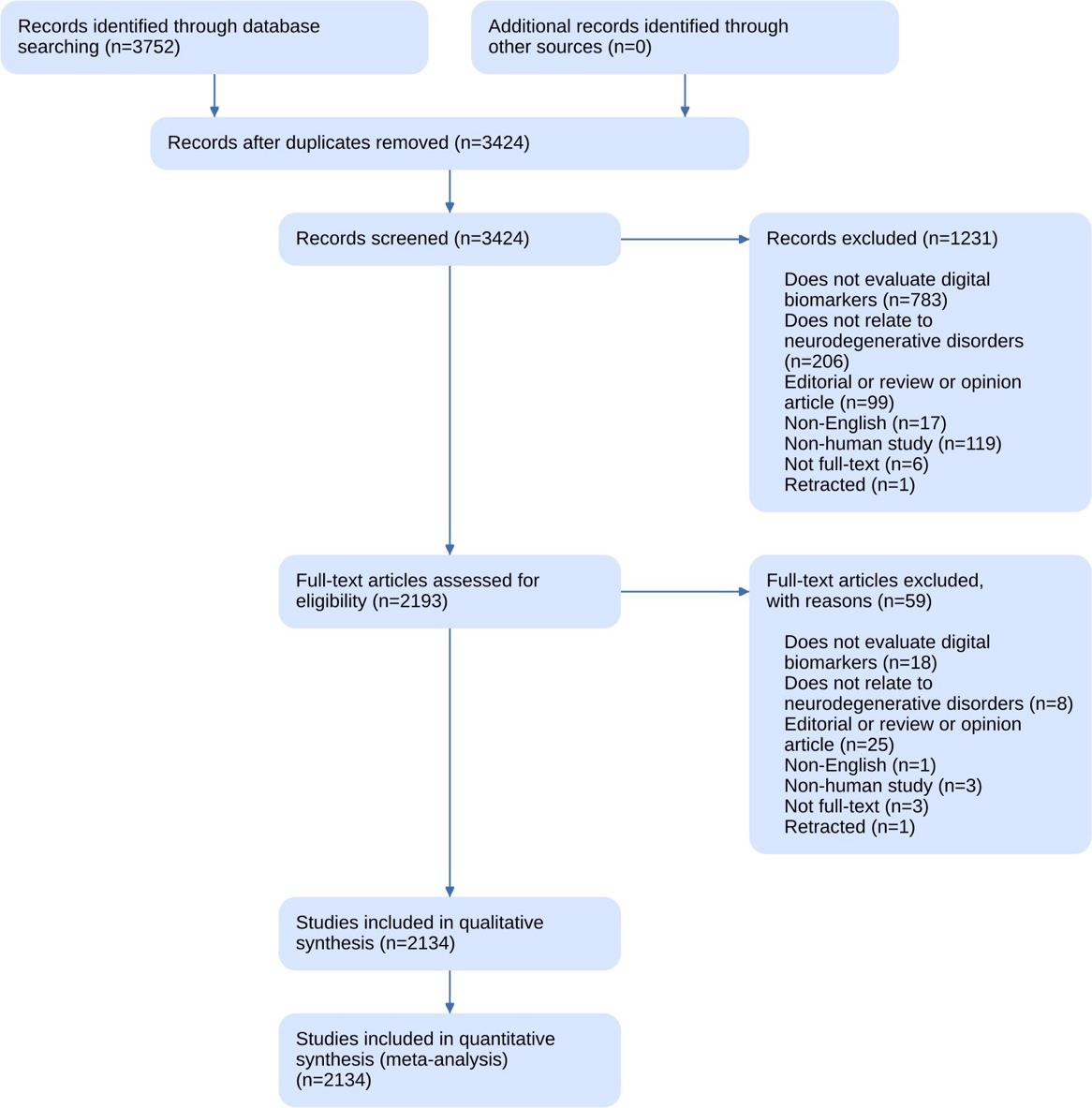
The supplement describes a structured search of PubMed, Web of Science, Scopus and Embase to inform a narrative framework. It reports 3,752 records, 328 duplicates, 3,424 screened records, 2,193 full texts and 2,134 included studies. Its stated criteria cover English-language human studies published in 2010–2025 [S1].
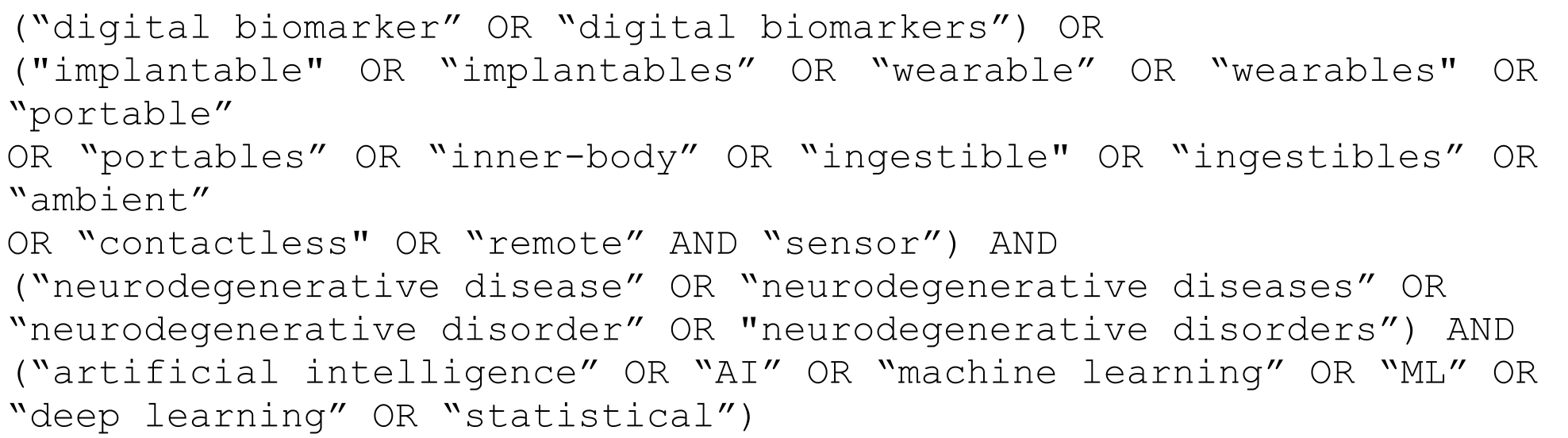
Figure S1 labels all 2,134 studies as included in a quantitative meta-analysis, while the accompanying text explicitly says no systematic evidence synthesis or meta-analysis was conducted. The flow chart and both exact search strings are retained, including Boolean ambiguities and a duplicated “OR.” They should not be silently treated as a reproducible database-specific search.
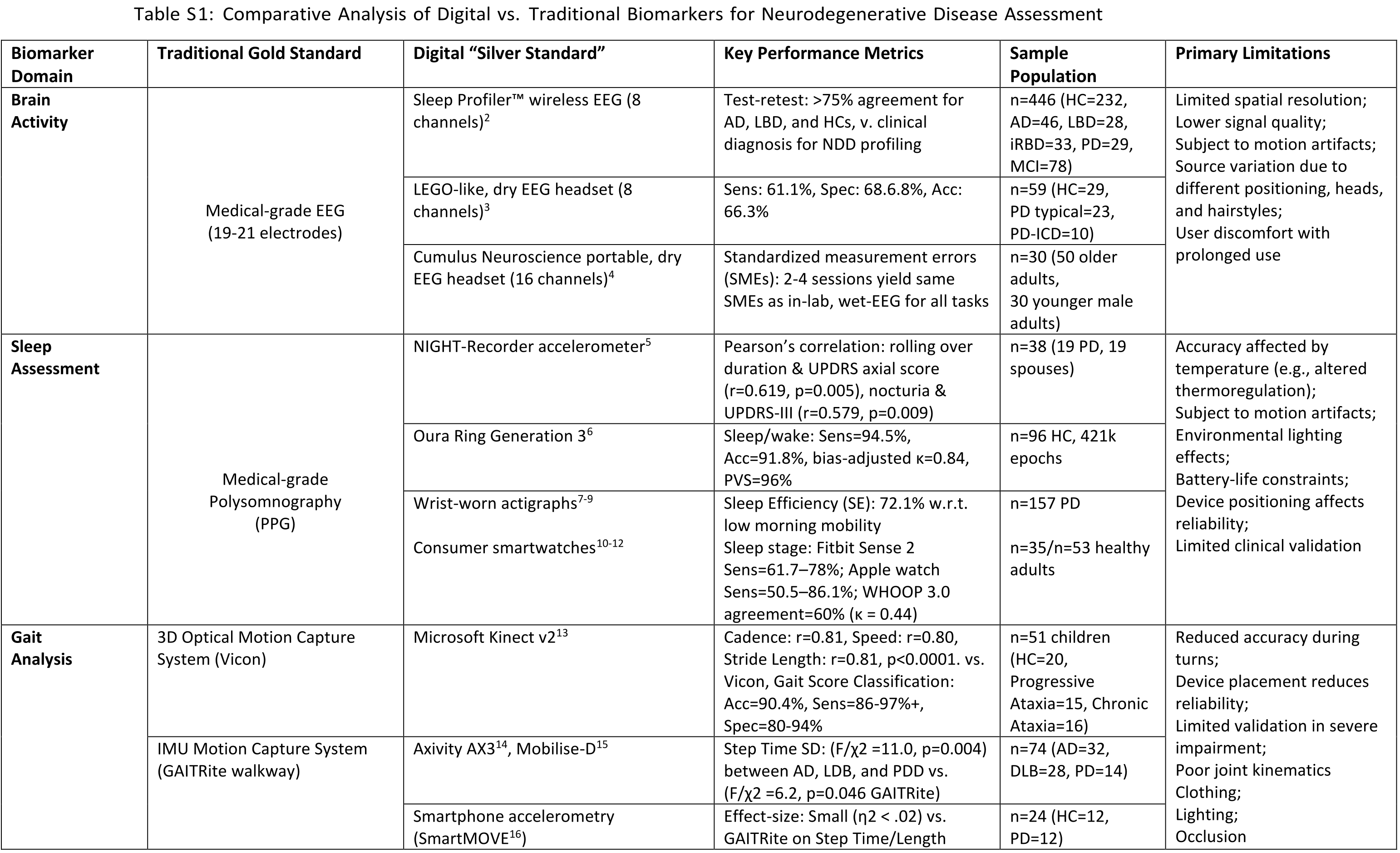
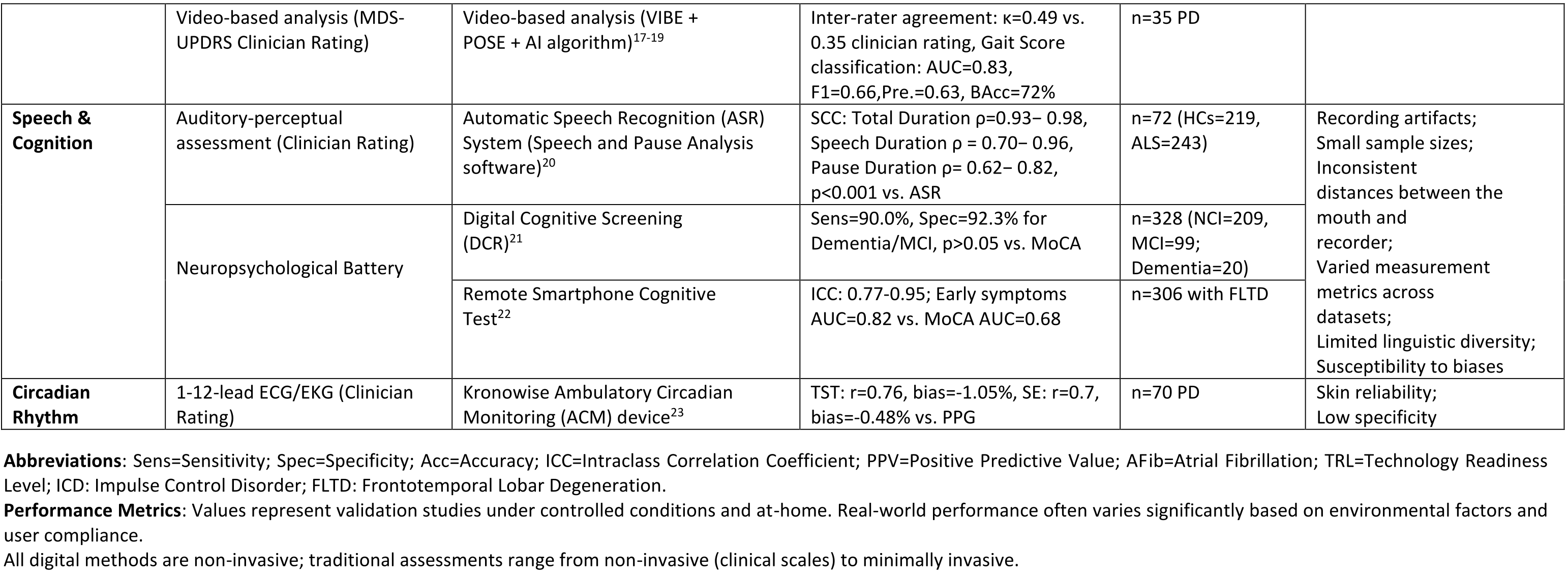
Table S1 preserves heterogeneous measurements and sample descriptions, not a common benchmark. Printed inconsistencies include n=59 with subgroup counts summing to 62, n=30 with an 80-person parenthetical description, and n=72 alongside counts 219 and 243 without a clear unit explanation. The table also prints specificity “68.6.8%.” These values remain unchanged; consult primary studies before reuse.

SI 2.1 Regulatory validation
The expanded validation discussion distinguishes device verification, analytical validity and clinical validity, and emphasizes replication across patient populations, devices and settings [S26]. Laboratory agreement may not transfer to daily life; deployable reference measurements can support stepwise validation.
The discussion of FDA Pre-Cert is historical: the pilot ended in 2022. An accepted functional outcome also differs from a surrogate biomarker; the intended claim must remain explicit.
SI 2.2 Deployment trade-offs
Technology choice depends on study duration, required precision, device control and participant burden. Bring-your-own-device recruitment may scale more easily while multiplying hardware and software combinations to validate.
Wearable discomfort can affect ongoing adherence; ambient privacy concerns can affect enrollment. Both may select the observed population. Lower burden and newer algorithms do not eliminate the need to measure real-world performance.
SI 2.3 Privacy, fairness and transparency
The supplement recommends privacy by design, granular consent, disaggregated performance, representative recruitment and clear reporting. Its proposed technical protections and governance measures are recommendations rather than evaluated interventions.
Claims about legal enforcement timing should not be inferred from this narrative. Applicability of privacy rules depends on the actual data, activities and organizations involved. Documentation should cover participant characteristics, missingness, limitations and differential performance as well as model averages.
SI 2.4 Reimbursement and economics
Continuous monitoring can be difficult to fund through payment systems organized around discrete services. The supplement discusses remote monitoring, clinician supervision and possible reimbursement barriers as part of adoption.
Its claimed 42% reduction in emergency admissions and 18% reduction in specialist time comes from a cited news report about a commercial partnership [S52]. The supplement supplies no controlled study design or uncertainty estimate for those percentages, so they are not treated here as independently established causal benefits.
SI 2.5 Standardization and future work
Reproducible systems need documented sensors, placement, calibration, preprocessing and software versions. Context such as terrain and daily activity may explain changes otherwise attributed to disease. Standardization, uncertainty communication and human-centered workflows are proposed next steps.
Clinical utility and economic sustainability require evidence beyond fixing technical errors. The supplement’s final explainable-AI claim cites reference S55, whose listed title concerns FHIR interoperability rather than that specific claim; the bibliography is retained so this attribution can be checked.
Original related resources
- Abilify MyCite: https://www.accessdata.fda.gov/drugsatfda_docs/nda/2017/207202Orig1s000Approv.pdf
- Altoida: https://altoida.com/
- Apple modified its HealthKit: https://developer.apple.com/videos/play/wwdc2019/217/
- Axivity AX3: https://axivity.com/
- Digital Health Innovation Action Plan: https://www.fda.gov/media/106331/download
- Digital Medicine Society’s V3 framework: https://datacc.dimesociety.org/resources/the-v3-framework/
- Emerald device: https://emeraldinno.com/
- Empatica E4: https://www.empatica.com/research/e4/
- Empatica’s Health Monitoring Platform: https://www.empatica.com/blog/empatica-receives-new-fda-clearance-for-cardiac-digital-biomarkers
- European Medicines Agency Qualification of Novel Methodologies for Medicine Development: https://www.ema.europa.eu/en/human-regulatory-overview/research-development/scientific-advice-protocol-assistance/qualification-novel-methodologies-medicine-development [DOI] [PubMed]
- Foundation models: https://crfm.stanford.edu/assets/report.pdf
- Fox Insight: https://foxinsight.michaeljfox.org/
- GAITRite: https://www.gaitrite.com/
- GDPR: https://gdpr-info.eu/
- Helix: https://www.helix.com/
- HIPAA: http://www.eolusinc.com/pdf/hipaa.pdf
- Indivi: https://indivi.io/
- MindX Sciences: https://mindxsciences.com/
- Mobilise-D: https://mobilise-d.eu/
- National Institute for Health Care and Excellence (NICE) Evidence Standards Framework for Digital Health Technologies: https://www.nice.org.uk/corporate/ecd7/resources/evidence-standards-framework-for-digital-health-technologies-pdf-1124017457605
- N-Power Medicine: https://www.npowermedicine.com/
- Pre-Cert: https://www.fda.gov/medical-devices/digital-health-center-excellence/digital-health-software-precertification-pre-cert-pilot-program
- RADAR-CNS: https://www.ihi.europa.eu/projects-results/project-factsheets/radar-cns
- Rune Labs: https://runelabs.io/
- StrivePD: https://www.strive.group/